
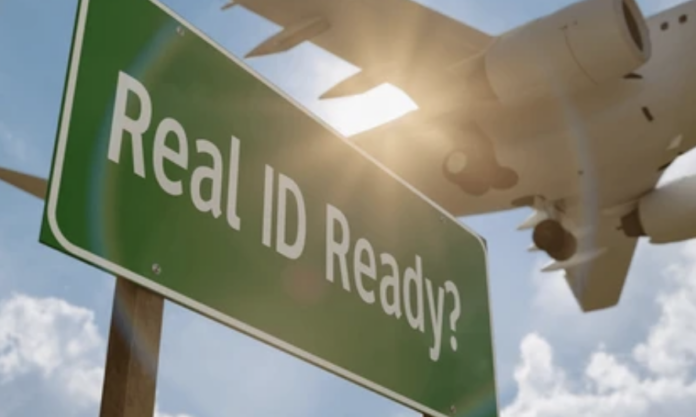
The May 7 deadline for REAL ID has passed, and now scammers are using the rush and confusion to their advantage. If you still need a REAL ID, remember: the only way to get one is through an in-person appointment at your state’s DMV. That hasn’t changed — no matter what a text or email might claim.
The Federal Trade Commission (FTC) is warning consumers about a rise in phishing scams. Here’s how they work: you receive an unsolicited message from someone pretending to be from the DMV or Homeland Security. It says you can avoid long lines or backlogs by clicking a link, submitting your info, or paying a fee. But it’s all a scam to steal your personal details or money.
To protect yourself:
-
Ignore texts and emails offering to “expedite” your REAL ID — they’re fake.
-
Don’t click suspicious links or share personal info through unofficial channels.
-
Check directly with your DMV by visiting their official website or calling a verified number.
To help reduce scam messages, forward spam texts to 7726 (SPAM) and report phishing emails through your provider.
If you think you’ve encountered a scam, report it at ReportFraud.ftc.gov.
The REAL ID process might take time — but shortcuts can cost you. Stick with the DMV.